
Garage Door Spring Repair: What Professionals Want You to Know
- COMMERCIAL GARAGE DOOR REPAIR
- GARAGE DOOR OPENER INSTALLATION
- GARAGE DOOR SPRING REPAIR
- SAME-DAY GARAGE DOOR REPAIR
- CUSTOM GARAGE DOOR
- GARAGE DOOR OPENER REPAIR
- GARAGE DOOR TRACK REPAIR
- GARAGE DOOR CABLE REPAIR
- GARAGE DOOR PANEL REPAIR
- LOCAL GARAGE DOOR REPAIR
- GARAGE DOOR REPLACEMENT
- NOISY GARAGE DOOR FIX
- GATE REPAIR
- GARAGE DOOR INSTALLATION
- GARAGE DOOR SECTION REPLACEMENT
- OVERHEAD GARAGE DOOR REPAIR
Garage Door Spring Repair: What Professionals Want You to Know
A functioning garage door is something many homeowners take for granted until it suddenly stops working. Often, the culprit is a broken or worn-out spring. While it may seem like a straightforward fix, professionals in the field understand the complexities and risks involved. This is why getting expert advice on garage door spring repair is so important for the safety and longevity of your system. At Local Garage Door Repair Punta Gorda FL, we believe an informed customer is a safe customer. Here are some key insights that professionals want you to understand about this critical service.
The Truth About Garage Door Springs
Garage door springs are the powerhouse of your entire system, playing a crucial role in its functionality. These springs do the heavy lifting by counterbalancing the door’s weight, making it possible for the opener to raise and lower the door with minimal effort. Without them, the opener would struggle under the door’s full weight, leading to wear and tear on the system. There are two main types of garage door springs: torsion springs, which are mounted above the door and provide a steady amount of force, and extension springs, which stretch along the sides of the door and expand and contract to aid movement. Understanding their role, how they work, and the differences between types is the first step toward responsible ownership and ensuring the longevity of your garage door system.
Torsion vs. Extension Springs
You’ll typically find one of two types of springs on your garage door. Torsion springs, for example, are mounted on a metal bar above the garage door opening. As the door closes, cables unwind from drums at the end of the bar, causing the springs to wind up and store energy. Then, when the door opens, these springs unwind, and their stored energy helps lift the heavy door.
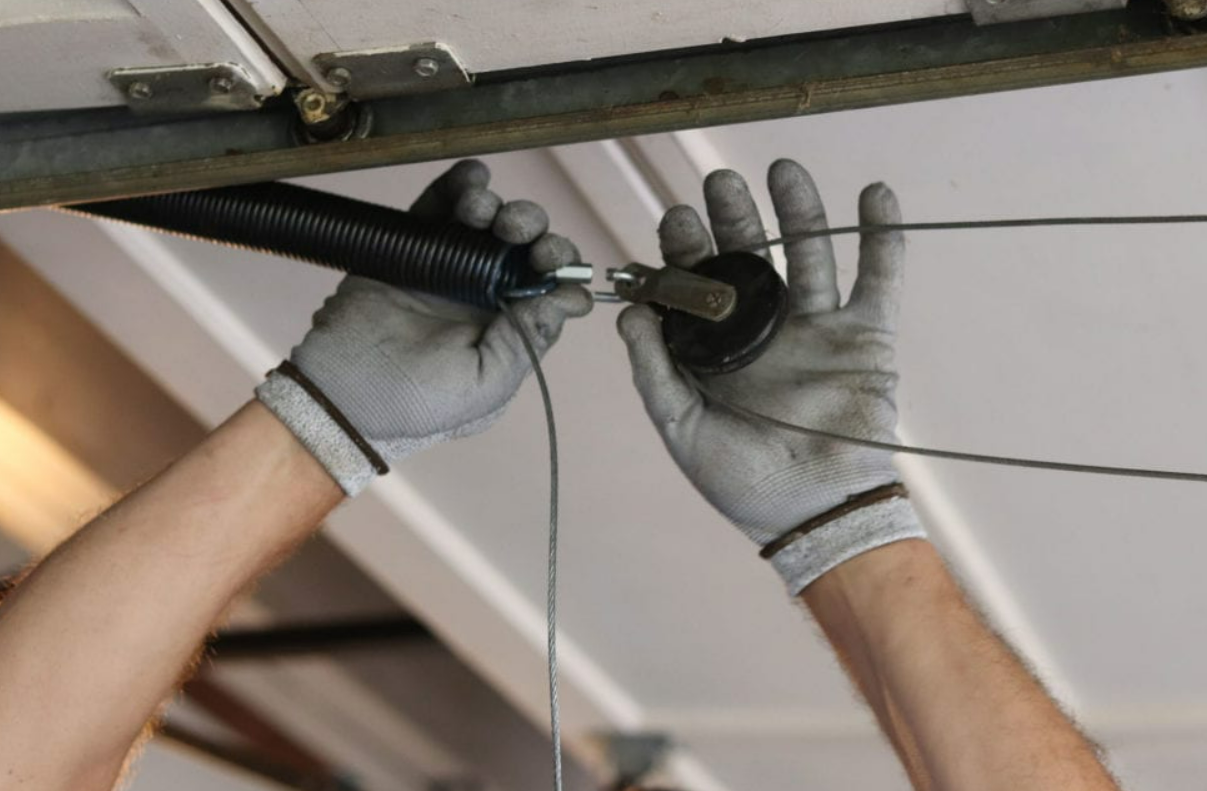
Extension springs, on the other hand, are located on either side of the door, running parallel to the horizontal tracks. They stretch and contract to facilitate the door’s movement, much like a large rubber band. While both types serve the same purpose, torsion springs are generally considered safer and more durable due to their design.
Why Springs Break and What to Look For
Springs don’t last forever, and they are rated for a specific number of cycles, with one cycle being a full opening and closing of the door. Typically, the average spring is rated for about 10,000 cycles, which might translate to 7-12 years of use depending on how often you operate your door. However, rust and cold weather can also significantly shorten their lifespan. Therefore, it’s important to pay attention to common signs of a failing spring, such as a visible gap in the spring coil, a door that feels extremely heavy to lift manually, or a door that closes with a loud bang. If you notice any of these signs, then it’s time to consider a professional inspection.
That said, attempting to handle a broken spring yourself can be extremely dangerous due to the immense tension they hold. For this reason, it’s always best to rely on experienced technicians for a safe and effective solution. So, if you’re facing spring issues, don’t hesitate to reach out to the experts at Local Garage Door Repair Punta Gorda FL for a professional assessment and service.